
Choose the right raised garden bed to simplify planting and boost your harvest with better soil control and easy access.
Start by measuring your available space and selecting a material that suits your climate. Wood offers a classic look, while metal provides durability. Ensure the bed is high enough to prevent soil washout and easy to fill with quality growing medium.
Read The Full Guide
Material Matters
Cedar and redwood resist rot naturally without chemical treatments. Metal beds offer long term durability but may heat up in direct sun. Plastic options are lightweight and affordable for temporary setups.
Size And Depth
Standard depths range from twelve to eighteen inches for most vegetables. Deeper beds support root vegetables like carrots and potatoes. Consider the weight of filled soil when choosing a location on your lawn or patio.
Drainage And Base
Proper drainage prevents waterlogged roots and disease. Many beds include slotted bottoms or sit on legs to allow air flow. Adding a layer of gravel or straw at the bottom can improve drainage in heavy clay soils.
Assembly And Maintenance
Pre assembled beds save time and effort during setup. Check for sturdy joints that will not loosen over time. Regularly inspect wooden beds for splinters or loose boards to ensure long term safety.
Quick Buying Checklist
- Measure your space to determine the maximum bed dimensions.
- Check the weight capacity of the bed when filled with soil.
- Verify that the material is safe for growing edible plants.
- Ensure the bed has adequate drainage holes or slats.
Top Picks To Compare


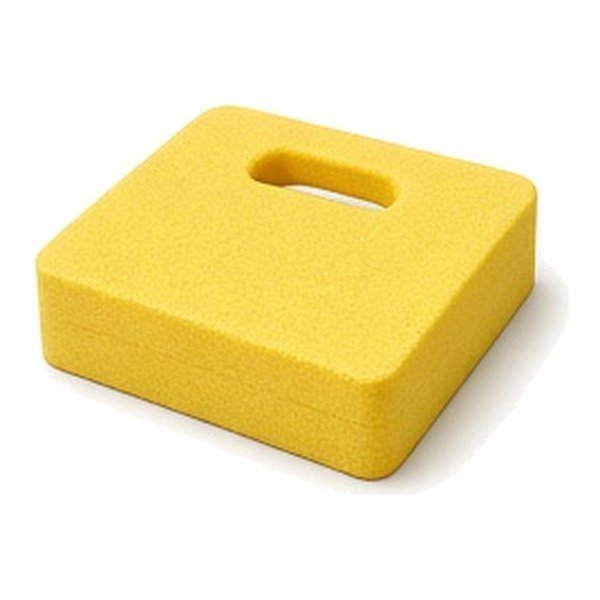
Garden Kneelers
Look for cushioning and a seat flip for comfort during long sessions.
COMPARE OPTIONS
Garden Hose Nozzles
Choose a nozzle with multiple spray patterns for versatile watering.
COMPARE OPTIONS


Garden Hose Connectors
Ensure connectors are leak proof and fit standard hose sizes.
COMPARE OPTIONSQuestions Shoppers Ask
What Is The Best Material For A Raised Garden Bed?
Cedar is popular for its natural rot resistance and aesthetic appeal. Metal is a strong choice for longevity and low maintenance.
How Deep Should A Raised Garden Bed Be?
A depth of twelve inches works for most leafy greens and herbs. Deeper beds of eighteen to twenty four inches are better for root vegetables.
Can I Use A Tiller In A Small Raised Bed?
Hand held tillers are ideal for small spaces. Electric models can struggle with the limited width of narrow beds.
Do Raised Garden Beds Need A Liner?
A liner can prevent weeds from growing up through the bottom. However, it must be porous to allow proper drainage.